Table of Content
- Folding Robot Is Limited
- Despite all their abilities robots are still bad at housework – for now.
- The $1,000 laundry-folding robot is back and it's fine, I guess
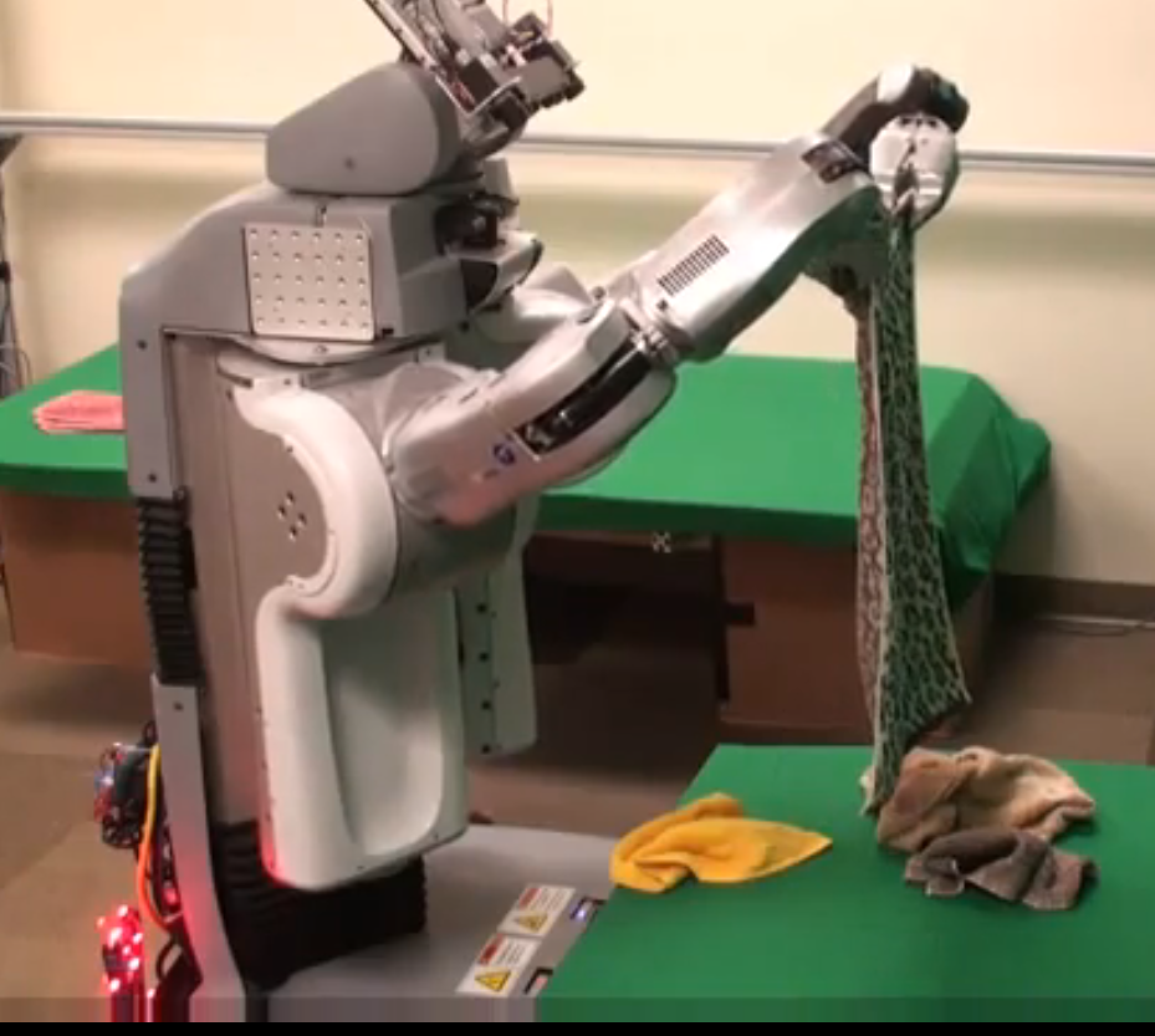
- Robots Are Really Bad At Folding Towels
- Access to Spectrum's Digital Edition is exclusive for IEEE Members
- Opinion: Are robots masters of strategy, and also grudges?
- 000 Southwest Airlines passengers were ready to take a chance
We’ve been promised a breakthrough in prosthetic technology for the better part of 100 years now. With the cast of characters in the world of prosthetics—doctors, insurance companies, engineers, prosthetists, and the military—playing the same roles they have for decades, it’s nearly impossible to produce something truly revolutionary. If we’ve decided that what makes us human is our hands, and what makes the hand unique is its ability to grasp, then the only prosthetic blueprint we have is the one attached to most people’s wrists. Yet the pursuit of the ultimate five-digit grasp isn’t necessarily the logical next step.
My own media darling of a hand, the bebionic from Ottobock, which I received in 2018, has a fist-shaped power grip, pinching grips, and one very specific mode with thumb on top of index finger for politely handing over a credit card. My 21st-century myoelectric hand seemed remarkable—until I tried using it for some routine tasks, where it proved to bemore cumbersome and time consuming than if I had simply left it on the couch. I couldn’t use it to pull a door shut, for example, a task I can do with my stump. And without the extremely expensive addition of a powered wrist, I couldn’t pour oatmeal from a pot into a bowl. Performing tasks the cool bionic way, even though it mimicked having two hands, wasn’t obviously better than doing things my way, sometimes with the help of my legs and feet. Seven Dreams and their partners aren't the only researchers trying to do away with the pesky task of sorting and folding laundry.
Folding Robot Is Limited
It’s time to ask who prostheses are really for, and what we hope they will actually accomplish. Each new multigrasping bionic hand tends to be more sophisticated but also more expensive than the last and less likely to be covered by insurance. And as recent research concludes, much simpler and far less expensive prosthetic devices can perform many tasks equally well, and the fancy bionic hands, despite all of their electronic options, are rarely used for grasping. The promising thing about laundry-folding robots is that they target a job that everybody does frequently, and nobody really likes.
It defies logic that you have a robot designed to fold your clothes, but you end up performing the same task. The essence of being a robot gets lost the moment you operate the machine. When people opt to buy robotic devices for home use, they consider their functionality. When your family is small, at times, you need to contend with the chore of folding clothes after washing.
Despite all their abilities robots are still bad at housework – for now.
Even though we don’t have the secret to folding technology, one can reasonably assume artificial intelligence is what makes a folding robot plausible in the future. In any laundry machine, there would need to be a series of cameras to scan each article of clothing and run them through a database for the robot to understand how to fold it. Currently, the Laundroid robot has collection of over 260,000 photographs of clothing and uses them in order to categorize folding techniques. The approximate fold time for each article of clothing is ten minutes and the machine connects to a mobile device to load each article of clothing into a virtual wardrobe.
For myoelectric users, the device was used for grasping just 40 percent of the time. To find out how prosthetic users live with their devices,Spiers led a study that used cameras worn on participants’ heads to record the daily actions of eight people with unilateral amputations or congenital limb differences. The research was conducted while Spiers was a research scientist at Yale University’s GRAB Lab, headed by Aaron Dollar. In addition to Dollar, he worked closely with grad student Jillian Cochran, who coauthored the study. Both unilateral and bilateral amputees also get help from their torsos, their feet, and other objects in their environment; rarely are tasks performed by a prosthesis alone. And yet, the common clinical evaluations to determine the success of a prosthetic are based on using only the prosthetic, without the help of other body parts.
The $1,000 laundry-folding robot is back and it's fine, I guess
The machine is too big, and it is suitable for commercial purposes particularly in hotels and Laundromats. These places handle large volumes of laundry, and the robot can be necessary. There are certain chores at home such as cleaning the floors and carpets that are unavoidable.
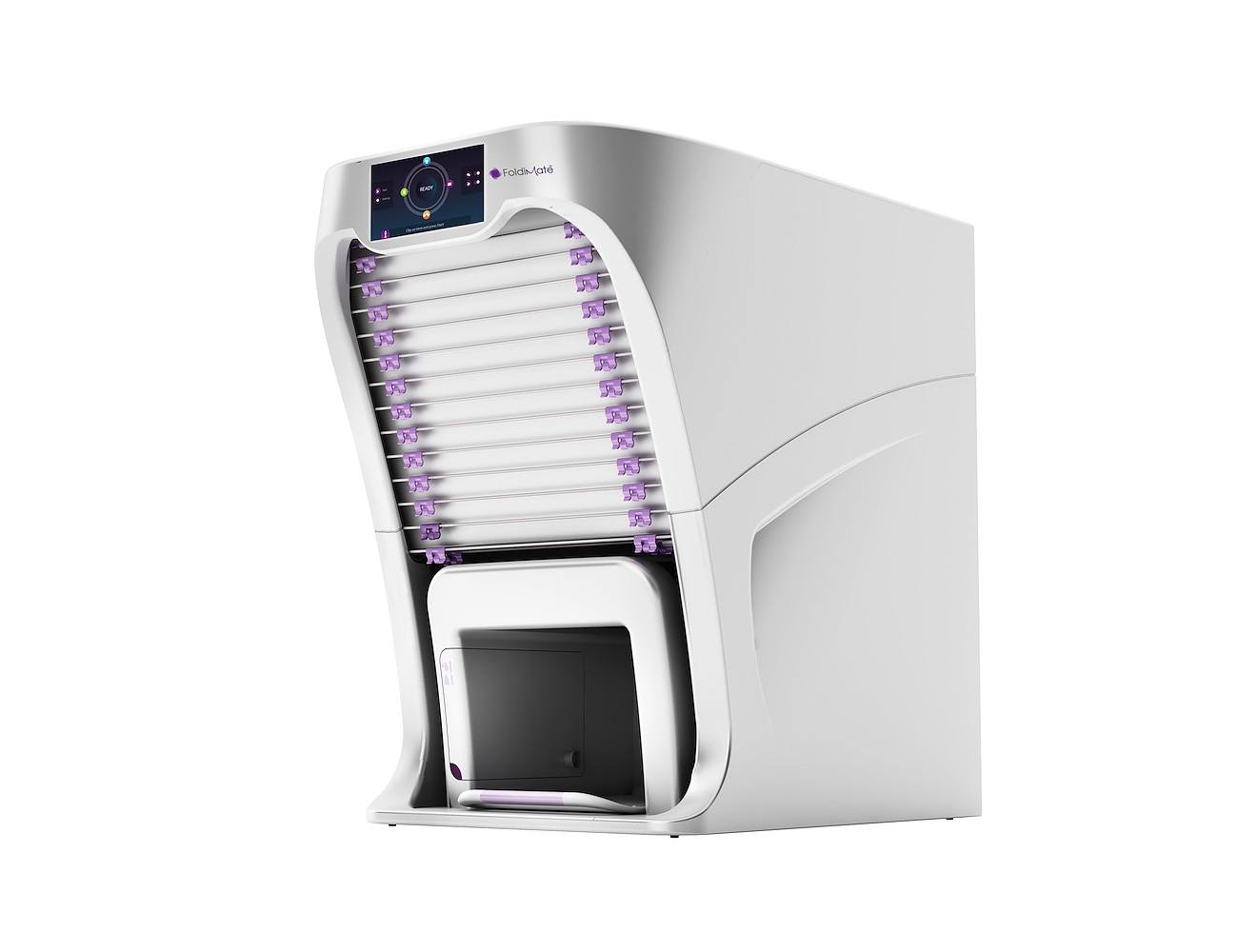
Sakane says the washer-dryer-folder could be ready in as soon as four years. And Silicon Valley-based company FoldiMate raised hopes and eyebrows when it showed off a prototype of its eponymous laundry-folding robot at the Consumer Electronics Show in early 2019. It said the machine could fold some 25 pieces of laundry — except for small items like socks and large items like sheets — in under five minutes, with an estimated price tag of $980. Watching raw footage from the study, I felt both sadness and camaraderie with the anonymous prosthesis users. The clips show the clumsiness, miscalculations, and accidental drops that are familiar to even very experienced prosthetic-hand users. Often, the prosthesis simply helps brace an object against the body to be handled by the other hand.
Robots Are Really Bad At Folding Towels
Because fabric is actually a very difficult thing for robots to manipulate. But scientists have made a breakthrough with a robot designed to have tactile senses. Tim Stevens got his start writing professionally while still in school in the mid '90s, and since then has covered topics ranging from business process management to videogame development. Currently he pursues interesting stories and interesting conversations in the technology and automotive spaces. The company, which we last year dubbed our favorite bad idea of CES, is back with a new demo of the laundry-folding machine, which it says might actually be available by the end of the year. In 2016 we wrote about the Foldimate Family, a handy home robot that automatically folds, steams, and scents laundry.

But there's always hope that the future of folding will get even neater. That work is done mostly by humans for now, thanks to what researchers describe as "the complex configuration space as well as the highly non-linear dynamics of deformable objects." While researchers describe SpeedFolding as a significant improvement, it's not likely to hit the market anytime soon. SpeedFolding uses novel perception and action primitives to fold garments per hour.
In other words, this device does not make your life easy like Roomba robots that do all the work while you relax. Apart from failing to meet the expectations, you also need to put your effort into the operations of the machine. Other robots use artificial intelligence, and they can operate without any supervision. Other robotic devices use remote controllers, and you do not need to monitor their operations. If you expect this kind of functionality on the Foldimate, then you are in for a big disappointment.
In order to train Laundroid to sort by family member, you have to register your clothes the first time. "Soft material like clothing is one of the hardest problems for AI even now," Sakane says. "Laundry folding seems like an easy task but it's actually very hard, so that's why no one has ever done it before." Seven Dreamers CEO Shin Sakane gives us a preview of a robotic home appliance that will fold and sort your laundry in 2019.
FoldiMate, the laundry-folding robot, is a small step closer to reality. Modernize your home with the latest news on smart home products and trends. Seven Dreamers will have a working model at CES in 2017, has a deal to potentially start including it with Panasonic washers and dryers in 2018, and may build it into new homes in Japan by 2020, Sakane said. The company's new Health Tags can stick with you from thick to thin and even survive repeated trips through the washer and dryer.

And yet, he says, the 20th century’s body-powered split hook is “more modern,” its design more willing to break the mold of the human hand. In recent decades, the overwhelming focus of research into and development of new artificial hands has been on perfecting different types of grasps. Many of the most expensive hands on the market differentiate themselves by the number and variety of selectable prehensile grips.
Opinion: Are robots masters of strategy, and also grudges?
Since that time, the company has made significant improvements to the robot’s internal and external design per customer feedback. PCMag.com is a leading authority on technology, delivering lab-based, independent reviews of the latest products and services. Our expert industry analysis and practical solutions help you make better buying decisions and get more from technology. Since 2007, he has written over 6,000 articles on robotics and technology.


No comments:
Post a Comment